FinLit Newsletter · 2 min read
FinLit Newsletter 11-15-2023
Inflation woes are starting to ease up a tad with this week's CPI data. Here is what you need to know.
TLM Research
Published · Updated
Back to back positive inflation data this week
Yesterday, Tuesday, CPI data came in better than expected, showing a 3.2% change year-over-year vs. estimates of 3.3%. And today, its cousin, the PPI showed a month-over-month decline of -0.5%, significantly lower than consensus estimates which called for a result of virtually flat. Core PPI was flat, with energy making up the bulk of the PPI decline. We prefer to study core metrics, but since the inclusive CPI and PPI are being more widely reported, we have to also track those as they are moving markets.
Markets rallied heavily on the CPI release, as traders take the view that this could be the beginning of the end of the rate hike cycle. In line with this expectation, the CME Fedwatch shows futures markets pricing in a 99.8% chance of “no change” to rates during the upcoming December meeting.
Though well received by the markets and investors, remember, this data are all cumulative, and consumer level data show that households are still struggling to adjust to higher prices vs. pre-Covid price levels. A recent report from First National Bank of Omaha presents a survey that nearly half, or 47% of adults said their monthly expenses exceed their monthly income, which is strongly reconciles with our recent observations around the state of the consumer debt market. If governments run deficits, they can issue more currency. If consumers run deficits, they are limited to either tap savings or fill the gap with debt, which is exactly what is happening.
Retail sales fell in October for the first time in 7 months
Speaking of the consumer, October retail sales numbers showed that consumer spending is pulling back, with retail sales declining for the first time in 7 months. These numbers are adjusted for seasonality, but not inflation.
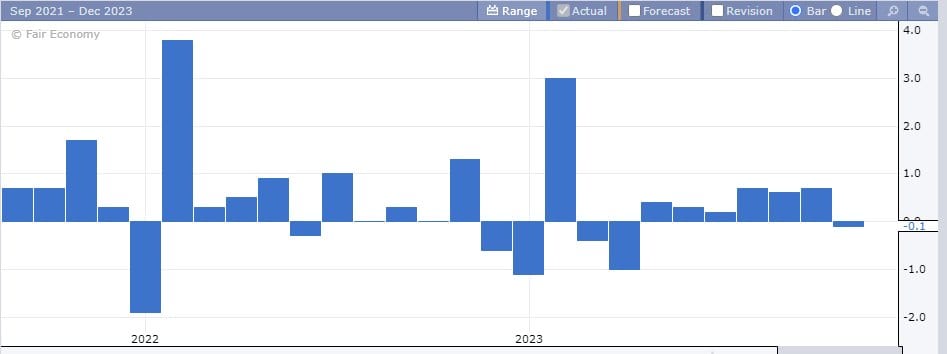
Durable goods like cars and furniture led the decline, which makes perfect sense since these are items often bought on credit, so demand should be extra sensitive to interest rate changes. As consumers rack up more and more debt, they will be less and less able to do things like finance big-ticket items.
Remember, inflation and growth are two separate things, so even if prices come under control, this really shouldn’t impact the fact that higher rates are going to slow productivity and consumption, and it is still way too early to assume that an economic contraction will be avoided.
Included with membership — $49/mo.
Keep reading
FinLit Newsletter 11-8-2023
Let's dive into the top headlines for this coming week surrounding credit card debt and Powell
TLM Research
FinLit Newsletter 11-1-2023
Another big FOMC meeting is today! What can you expect? What are the projections? Let's dive in.
TLM Research
FInLit Newsletter 10-27-2023
Q3 GDP numbers are OUT! What doe they look like? And how should you be interpreting them? Let's break it down.
TLM Research